
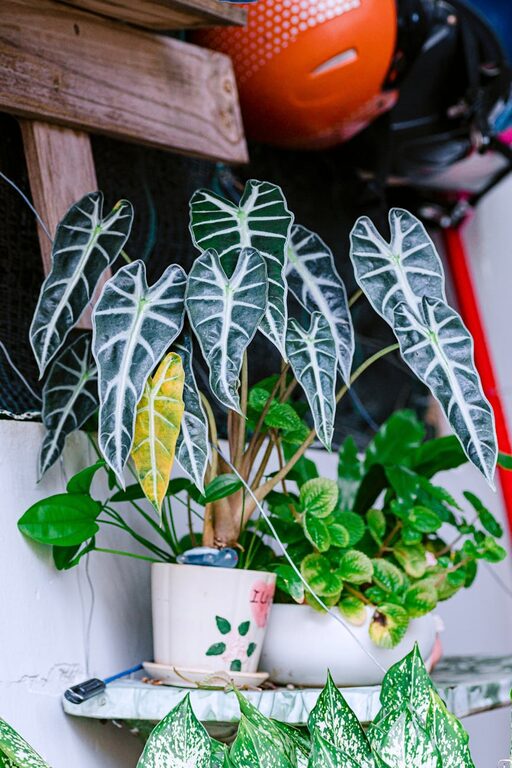
Bringing houseplants into your home adds beauty, freshness, and a calming touch to your space. Whether you have a few succulents on your windowsill or a collection of lush foliage plants, keeping them healthy requires some attention and care. Fortunately, with the right approach, your indoor garden can flourish and brighten your home for years to come.
In this guide, we’ll cover key tips and best practices to help you keep your houseplants healthy, vibrant, and thriving.
Understanding Your Houseplants’ Needs
Every plant species has its own preferences related to light, water, humidity, and soil. Knowing these basic needs is the first step to successful plant care.
– Light: Some plants flourish in bright, indirect sunlight, while others prefer low-light conditions. Research the ideal lighting for your plant type and position it accordingly.
– Water: Overwatering is a common mistake. Many houseplants prefer to dry out slightly between watering sessions. Feel the soil with your finger – water when the top inch is dry.
– Humidity: Tropical plants often require higher humidity. Use a humidifier or group plants together to increase moisture in the air.
– Soil: Well-draining soil is crucial to avoid root rot. Choose soil mixes tailored to your plant’s species, such as cactus mix for succulents.
Tips for Watering Houseplants
Proper watering is key to the health of your plants. Too much or too little water can stress or kill them.
– Check soil moisture regularly before watering.
– Water thoroughly until excess drains from the pot’s holes.
– Avoid letting plants sit in standing water, which can cause root rot.
– Adjust watering frequency based on season, as plants often need less water during winter.
Providing Adequate Light
Light affects photosynthesis, so plants need the right amount to grow well.
– Place sun-loving plants near south- or west-facing windows.
– Use sheer curtains to diffuse intense light for sensitive plants.
– Rotate plants occasionally to promote even growth.
– Consider grow lights if your space lacks natural sunlight.
Maintaining Ideal Humidity and Temperature
Dry indoor air can stunt growth or cause leaf browning, especially during winter.
– Group plants to create a microenvironment with increased humidity.
– Mist leaves occasionally, but avoid constant wetness that promotes fungus.
– Keep plants away from drafts, heaters, and air conditioners.
– Maintain room temperatures between 65°F to 75°F (18°C to 24°C) for most tropical plants.
Feeding Your Plants
Nutrients are essential for plant growth and vitality.
– Use balanced liquid fertilizers every 4–6 weeks during the growing season (spring and summer).
– Follow package instructions to avoid overfeeding.
– Reduce or stop fertilizing during dormancy (fall and winter).
– Organic options like compost tea or diluted fish emulsion can be gentle alternatives.
Potting and Repotting Basics
As plants grow, they may outgrow their containers.
– Repot when roots begin to circle the pot or surface roots appear.
– Choose pots with drainage holes to prevent waterlogging.
– Use fresh potting mix during repotting to refresh nutrients.
– Generally, repot every 1–2 years depending on plant growth.
Pest Prevention and Treatment
Even indoor plants can attract pests like spider mites, aphids, or scale.
– Inspect new plants before bringing them home.
– Keep plants clean by wiping leaves or gently rinsing in the shower.
– Use natural insecticidal soaps or neem oil to treat infestations early.
– Isolate affected plants to prevent pest spread.
Regular Plant Care Routine
A consistent care routine helps catch problems early and keeps plants happy.
– Dust leaves regularly to improve photosynthesis.
– Prune dead or yellow leaves to encourage healthy growth.
– Monitor for signs of stress like wilting or discoloration.
– Keep a care journal to track watering, feeding, and any changes.
Final Thoughts
Caring for houseplants is rewarding and can boost your mood and indoor air quality. By paying attention to their light, water, humidity, and nutrition needs, you ensure your plants stay healthy and vibrant. Remember, every plant is unique, so spend time getting to know your greenery and adapting care as needed.
With these tips, your houseplants will not only survive but thrive, bringing life and color to your home year-round. Happy gardening!