
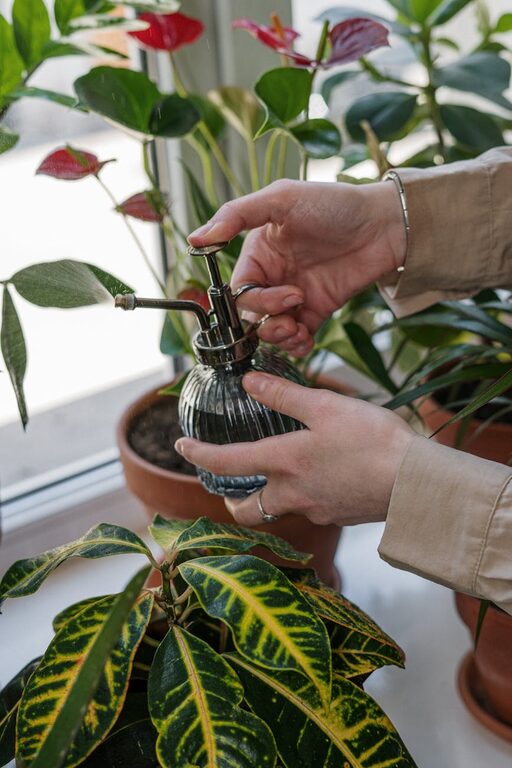
Bringing houseplants into your home adds natural beauty, improves air quality, and boosts your mood. But keeping these green companions healthy requires a little know-how. Whether you’re a seasoned plant parent or just starting out, these practical tips will help you nurture thriving houseplants that enhance your indoor space.
Understanding Your Plant’s Needs
Every houseplant species has unique requirements, so the first step is understanding what your specific plants need.
Light Requirements
Most plants rely on light for photosynthesis, but not all plants thrive in the same light conditions. Some prefer bright, direct sunlight, while others flourish in low or indirect light.
– Bright light plants: succulents, cacti, and fiddle leaf figs.
– Indirect light plants: pothos, snake plants, and peace lilies.
– Low light tolerant: some ferns, ZZ plants, and cast iron plants.
Place your plants where they will receive the right amount of light to avoid problems like yellowing leaves or stunted growth.
Watering Wisely
Overwatering is one of the most common causes of plant failure. Houseplants generally prefer to dry out slightly between waterings.
– Check soil moisture by sticking your finger about an inch deep; water only if dry.
– Use pots with drainage holes to avoid waterlogging.
– Reduce watering during cooler months when plants grow more slowly.
Remember, it’s easier to revive an underwatered plant than one sitting in soggy soil.
Proper Humidity and Temperature
Many indoor plants come from tropical regions and thrive in higher humidity.
– Increase humidity by misting plants regularly or placing a humidifier nearby.
– Grouping plants together can also create a microenvironment with higher humidity.
– Keep plants away from cold drafts, heaters, or air conditioners, which can stress them.
Choosing the Right Soil and Pot
Soil Mix Matters
Use soil mixes appropriate for your plant type:
– Succulents and cacti need well-draining soil.
– Tropical foliage plants prefer soil that retains some moisture while draining excess water.
A good-quality potting mix supports root health and nutrient uptake.
Pot Selection
Choose pots with drainage holes to prevent root rot. If you use decorative containers without drainage, consider placing a smaller pot with holes inside or be extra careful with watering.
Feeding Your Plants
Plants in pots require regular feeding since they can’t access nutrients beyond their container.
– Use balanced, water-soluble fertilizers every 4-6 weeks during growing seasons.
– Avoid overfertilizing, as excess salts can harm roots.
– Slow-release fertilizers are a good alternative for steady nutrient supply.
Routine Maintenance Tips
Pruning and Cleaning
– Remove yellow or dead leaves to encourage new growth and prevent pests.
– Pinch back leggy stems to promote bushier growth.
– Wipe leaves occasionally with a damp cloth to remove dust, improving photosynthesis.
Repotting
Plants can outgrow their pots. Signs include roots circling the pot or slowed growth. Repot every 1-2 years into a pot 1-2 sizes larger.
Pest Prevention
Keep an eye out for common pests like spider mites, aphids, or mealybugs.
– Inspect plants regularly.
– Isolate new plants before introducing them.
– Treat infestations with natural solutions like neem oil or insecticidal soap.
Tips for Specific Challenges
– Brown leaf tips: Usually caused by low humidity or inconsistent watering.
– Drooping leaves: Can indicate over- or underwatering.
– Leggy growth: Insufficient light usually causes spindly plants.
Observe your plants closely and adjust care accordingly.
Conclusion
Growing houseplants is a rewarding hobby that adds life to your home. With attention to light, water, soil, and routine care, your indoor garden will flourish. Remember to research each plant’s unique needs and enjoy the process of watching your green friends grow healthy and vibrant.
Happy planting!