
Reducing food waste at home is one of the easiest ways to save money and protect our planet. Every year, millions of tons of perfectly edible food end up in the trash. By making a few thoughtful changes in how we shop, store, and use food, we can minimize waste and create a more sustainable lifestyle.
In this post, we’ll explore practical strategies to help you reduce food waste at home. Whether you live alone or have a big family, these tips can make a real difference.
Why Reducing Food Waste Matters
Food waste isn’t just about throwing away money. It also affects the environment. When food rots in landfills, it produces methane, a powerful greenhouse gas that contributes to climate change. Additionally, producing food requires resources like water, energy, and labor, so wasting food means wasting these valuable inputs as well.
By reducing food waste, you help:
– Save money on groceries
– Reduce environmental impact
– Support more efficient food systems
– Encourage mindful consumption habits
Plan Your Meals and Shop Smartly
One of the biggest causes of food waste is buying more than you can use. Here’s how better planning can help.
Create Weekly Meal Plans
Before you shop, outline meals for the week. Consider what ingredients you already have and choose recipes that use similar items. This focused approach helps you buy only what you need.
Make a Grocery List
Stick to a list based on your plan. Avoid impulse buys by keeping your list handy and shopping mindfully.
Shop Smaller, More Often
If possible, try shopping more frequently for smaller quantities. This reduces the chance that fresh food will spoil before you eat it.
Store Food Properly to Keep It Fresh Longer
Improper storage is a common reason food goes bad. Here are tips to extend the shelf life of your groceries.
Understand Your Refrigerator
– Keep your fridge at or below 40°F (4°C).
– Store raw meat on the bottom shelf to avoid drips.
– Use clear containers for leftovers so you can see and remember to eat them.
Use the Right Containers
Use airtight containers, reusable silicone bags, or beeswax wraps to keep produce and leftovers fresh. Avoid plastic bags for some fruits and vegetables that need air circulation.
Know How to Store Different Foods
– Keep apples in the fridge but tomatoes on the counter.
– Store herbs like basil in water like cut flowers.
– Freeze bread or leftovers if you can’t use them soon.
Make Use of Leftovers and Scrap Food
Don’t throw away food scraps—many can be reused or composted.
Creative Leftover Recipes
Turn leftover veggies into soups, stir-fries, or casseroles. Stale bread can become croutons or breadcrumbs.
Preserve Excess Food
Freeze portions of cooked meals or ingredients like herbs and sauces before they spoil.
Compost Food Scraps
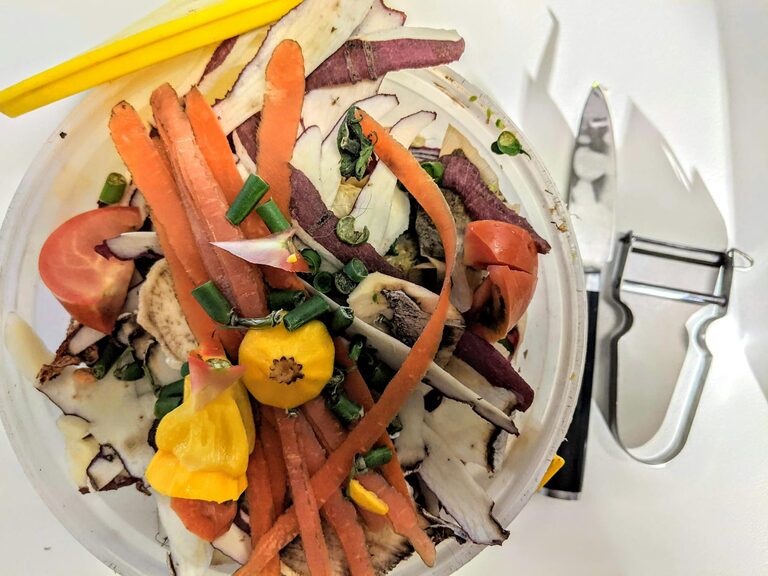
Composting fruit peels, vegetable scraps, and coffee grounds creates rich soil for gardening instead of landfill waste.
Monitor Expiration Dates and Use Sensory Cues
Dates stamped on packaging can be confusing.
– “Best before” means the food is still good after this date but may lose quality.
– “Use by” indicates a safety deadline.
When in doubt, trust your senses. Smell, look, and taste small samples to decide if food is still edible.
Educate and Involve Your Household
Reducing food waste is more successful when everyone participates.
– Make it a family habit to check leftovers daily.
– Teach children about portions and food value.
– Share tips and success stories to stay motivated.
Additional Small Habits That Help
– Serve smaller portions and save seconds for later.
– Use apps or calendars to track what food you have.
– Donate surplus non-perishable items to local shelters.
Conclusion
Cutting down food waste at home is simpler than it seems and benefits both your wallet and the environment. By planning meals, storing food correctly, using leftovers creatively, and involving everyone in your household, you can create sustainable habits that reduce waste significantly. Start with one or two changes today, and build from there—small steps add up to great results!
Remember, every bite saved counts!