
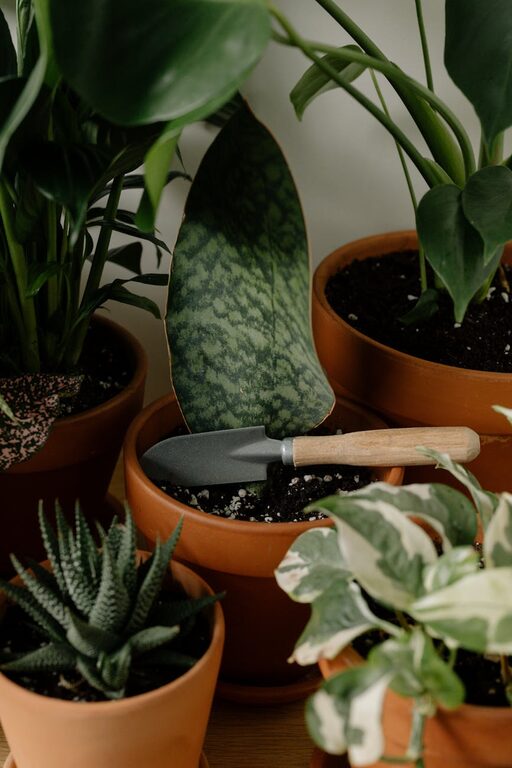
Bringing houseplants into your home is a wonderful way to add freshness and natural beauty to your living space. Whether you have a few succulents or a collection of large leafy plants, keeping them healthy requires some attention and care. In this post, we’ll explore practical tips that make it easier to maintain thriving houseplants.
Understanding Your Houseplant’s Needs
Each type of houseplant has unique requirements, but most share common basic needs: light, water, soil, and temperature. Getting to know your plants and their natural environment can help you mimic those conditions at home.
Choose the Right Location
– Light: Most houseplants need indirect bright light to thrive. Some, like succulents and cacti, enjoy direct sunlight, while others prefer shade or low light. Observe your plant to see how it responds to lighting and adjust its spot if necessary.
– Temperature: Keep plants away from cold drafts or heating vents. Most houseplants prefer temperatures between 60-75°F (15-24°C).
Watering Your Plants Properly
Watering is one of the most common challenges for plant owners. Overwatering or underwatering can stress or even kill your plants, so finding the right balance is key.
Tips for Effective Watering
– Check the soil moisture: Before watering, poke your finger about an inch into the soil. If it feels dry, it’s time to water.
– Water deeply but infrequently: When you water, do so until excess water drains from the bottom of the pot. This encourages healthy root growth.
– Avoid standing water: Empty saucers under pots to prevent waterlogged soil and root rot.
– Adjust frequency seasonally: Plants generally need less water during winter when growth slows down.
Choosing the Right Soil and Pot
The type of soil and pot can influence your plant’s health a lot.
Soil Considerations
– Use potting soil specific to your plant type — for example, cactus mix for succulents or an aroid mix for plants like philodendrons.
– Good soil should drain well while retaining some moisture.
Pot Selection
– Ensure your pot has drainage holes.
– Terracotta pots allow moisture to evaporate faster than plastic, which can be good or bad depending on your plant’s needs.
Feeding and Fertilizing
Plants require nutrients to grow well, especially if they’re in the same soil for long periods.
– Use a balanced, water-soluble fertilizer every 4-6 weeks during the growing season (spring and summer).
– Reduce or stop fertilizing in fall and winter.
– Always follow label instructions to avoid over-fertilizing, which can damage roots.
Pruning and Cleaning Your Plants
Regular care helps prevent disease and keeps your plants looking their best.
Pruning
– Remove dead or yellowing leaves promptly.
– Pinch back leggy growth to encourage bushier, fuller plants.
– Use clean, sharp scissors or pruning shears.
Cleaning
– Dust leaves with a damp cloth to improve photosynthesis.
– For plants with fuzzy leaves, use a soft brush.
Watching for Pests and Problems
Indoor plants can attract pests such as spider mites, aphids, and mealybugs.
– Inspect your plants regularly for signs of pests or disease.
– Treat infestations early with insecticidal soap or neem oil.
– Quarantine new plants for a few weeks before introducing them to your collection.
Additional Tips for Success
– Rotate your plants every week or two to encourage even growth.
– Repot plants every 1-2 years to refresh soil and allow room for roots.
– Use humidity trays or a humidifier if your plants require higher humidity.
– Avoid sudden changes in environment, which can stress plants.
Conclusion
Caring for houseplants is a rewarding hobby that enhances both your home’s atmosphere and your well-being. By understanding your plants’ needs and following these practical tips, you’ll ensure they remain healthy, vibrant, and a joy to nurture. Happy gardening!